Lighting design shouldn’t require weeks of calculations and expensive software licenses. At OpenLumen, we’ve seen how a fast photometric layouts tool can cut your design time in half while improving accuracy.
Real-time feedback, instant reports, and community-verified luminaire data mean you spend less time on spreadsheets and more time on what matters: delivering projects faster.
Why Traditional Lighting Design Slows Teams Down
Manual Calculations Consume Weeks of Project Time
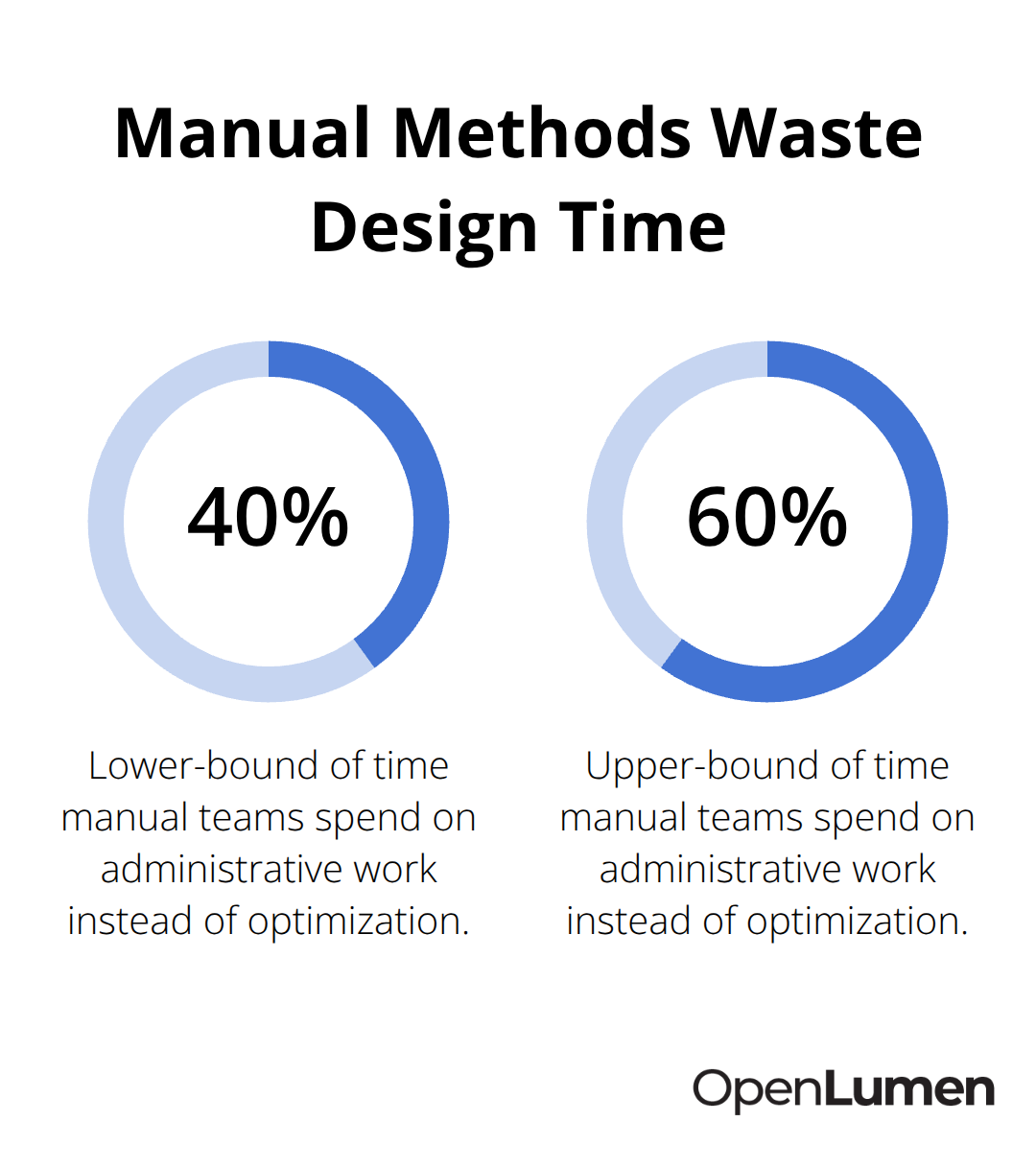
Traditional photometric design forces contractors and designers into a cycle of manual work that eats weeks from project timelines. Spreadsheet-based calculations demand hours of fixture data entry, spacing measurements, and illuminance targets-only to reveal a spacing error halfway through and force a complete restart. Teams recalculate the same warehouse layout three times when a client requests a fixture swap, and each change requires new foot-candle verifications across the entire space. Research on commercial lighting practices shows that teams using manual methods spend 40–60% of design time on administrative tasks rather than actual design optimization. That’s not inefficiency; that’s a broken workflow that penalizes accuracy and speed equally.
Software Licensing Creates Barriers for Smaller Teams
Desktop software like DIALux EVO and AGi32 promise solutions, but licenses cost $500–$5,000 per seat. Smaller firms absorb those costs or skip photometric validation altogether. When a three-person contractor team faces licensing fees, most abandon formal design work and rely on rule-of-thumb spacing-which guarantees uneven illumination, wasted energy, and codes compliance headaches down the road. This cost barrier means many teams never validate their designs properly, leading to installation surprises and costly corrections.
Revision Cycles Add Days to Every Project
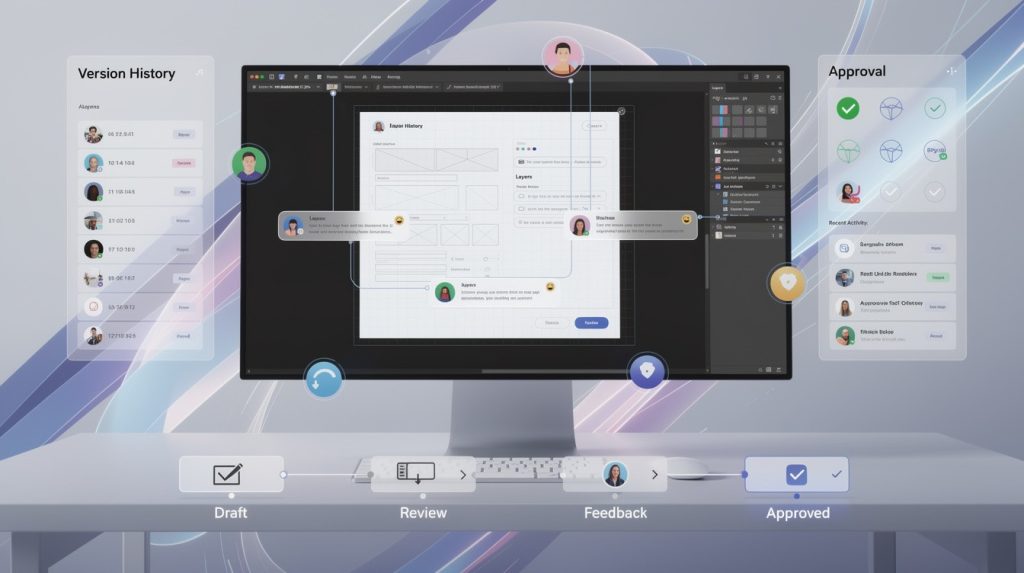
A client asks for brighter accent lighting in a retail zone, so you adjust fixture placement, re-run calculations, wait for rendering, then email updated reports. That back-and-forth typically adds 5–10 days to projects that should take 2–3 days. Each revision cycle repeats the same manual steps, compounding delays and frustration. Real-time feedback eliminates this friction entirely. When you adjust a luminaire position and see illuminance levels update instantly across your floor plan, you make better decisions faster and eliminate the guesswork that forces revisions later.
Instant Reports Transform Client Approvals
Professional reports-complete with illuminance maps, glare metrics, and compliance documentation-generate in seconds, not hours. Teams that adopt real-time design tools report cutting design cycles from weeks to days, which means faster client approvals, quicker sales cycles, and the ability to bid more projects annually. The difference isn’t just speed; it’s the ability to validate designs properly before installation, catching spacing errors and code violations when they’re cheap to fix, not after materials are ordered.
This speed advantage opens the door to a new design workflow. Real-time illuminance analysis doesn’t just accelerate your current process-it fundamentally changes how you approach lighting layouts and client communication.
How Real-Time Illuminance Analysis Transforms Your Workflow
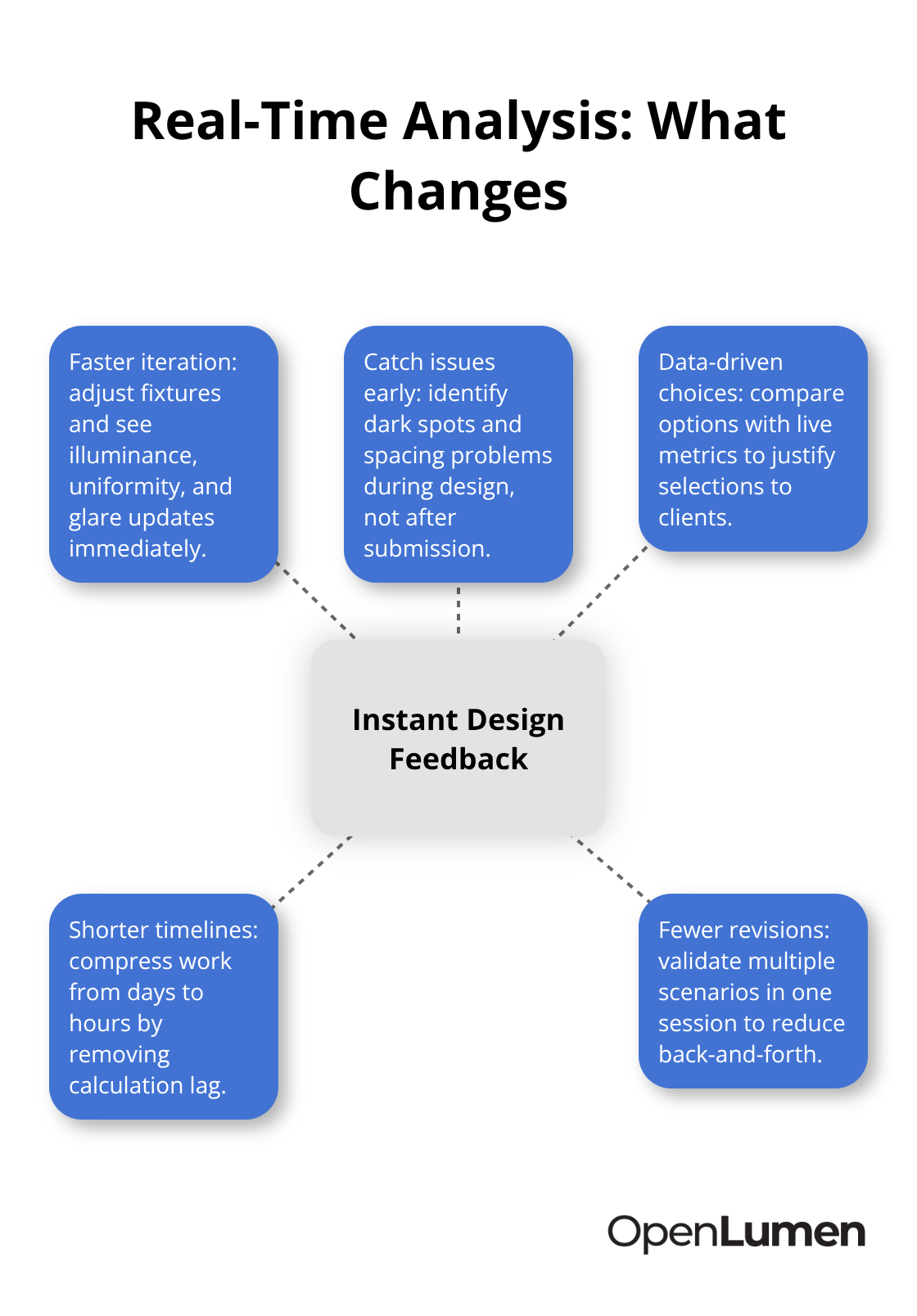
Luminaire placement changes reflect across your entire floor plan in seconds, not hours. When you move a fixture one foot closer to a wall or swap a 4000K LED for a 5700K option, illuminance maps update instantly and show you exactly how that change affects foot-candle levels, uniformity ratios, and glare metrics. This real-time feedback eliminates the guesswork that forces revisions later. Instead of submitting a design to a client and waiting days for feedback only to discover a dark corner near the loading dock, you catch spacing problems during the design phase when fixes cost nothing. Teams report completing warehouse layouts in 2–3 hours that once took 2–3 days with traditional software. The speed comes from removing the calculation lag that plagued desktop tools. You adjust, you see results, you move forward.
Instant Adjustments Without Restarting Everything
One fixture change in DIALux or AGi32 often triggers a full recalculation cycle that consumes 30–60 minutes for larger spaces. Real-time tools eliminate that friction entirely. Adjust your grid spacing, swap luminaire models, or change mounting heights and watch illuminance values update across your layout in real time. This removes the psychological barrier that makes designers hesitant to experiment. When iteration costs nothing, you test more options and land on better solutions. A retail designer testing three different fixture configurations in a real-time environment evaluates accent lighting placement, glare performance, and energy impact without waiting for each scenario to render. That speed compounds across a project. What once required three separate design iterations now happens in a single session. Clients see the reasoning behind your fixture selections because you show them multiple validated options, not just one option after weeks of work.
Reports That Close Deals Faster
Professional photometric reports generate instantly and include illuminance maps, glare ratings, foot-candle readings, and compliance documentation ready for client presentations and permitting. When a client asks for a design revision at 4 PM, you deliver updated calculations and reports by 5 PM instead of scheduling a meeting for next week. This speed advantage directly impacts your sales cycle. Contractors and distributors who validate designs quickly win more bids because they respond to RFQs with complete photometric documentation the same day. Energy audits and utility rebate applications require detailed fixture specifications and IES data-instant reports provide everything needed without manual assembly. A 2000-light street lighting project that traditionally takes days to document generates full compliance reports in minutes when calculations run in real time. This isn’t just faster delivery; it’s the difference between bidding projects profitably and losing them to competitors who move faster.
Why Speed Matters for Your Next Project
Real-time analysis transforms how you approach every design decision. Instead of locking in fixture selections early and hoping they work, you validate multiple scenarios before committing to materials. This confidence extends to your clients. When you present three lighting options with complete photometric data (illuminance maps, uniformity ratios, energy consumption), clients make informed decisions faster and feel confident in their choice. The ability to show impact instantly-whether adjusting brightness in a retail zone or optimizing warehouse coverage-builds trust and accelerates approvals. Projects that stalled for weeks under traditional workflows now move forward because you eliminate the delays that plagued spreadsheet-based design.
Getting started with these tools requires no expensive software licenses or lengthy training. The next step focuses on what makes browser-based platforms different and why accessibility matters for your team’s growth.
Getting Started with Browser-Based Lighting Tools
Desktop lighting software demands upfront investment and installation overhead that smaller teams simply cannot justify. A single seat of DIALux EVO or AGi32 costs $500–$5,000, and that’s before accounting for annual maintenance fees, version upgrades, and the IT resources needed to deploy across a team. Browser-based platforms eliminate this entirely. You open a link, start designing, and never worry about licenses, downloads, or compatibility issues across different computers. No installation means no waiting for IT approvals, no compatibility headaches with older CAD files, and no licensing disputes when a team member leaves.
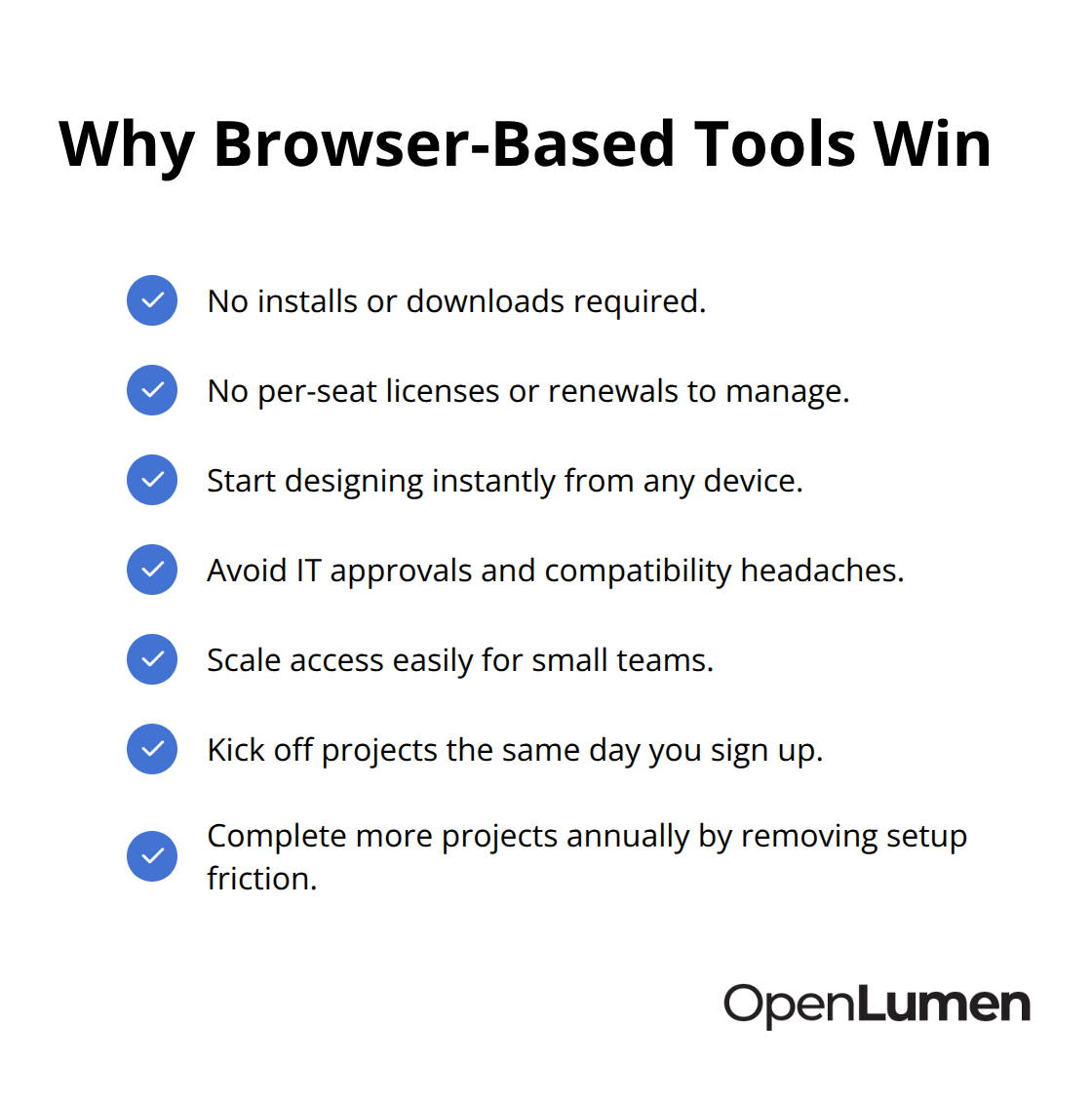
Teams report starting projects immediately after signing up rather than spending weeks on software procurement and training. This speed advantage compounds across your year-when you eliminate setup friction, you complete more projects annually.
No Installation or Expensive Licenses Required
Browser-based tools remove the financial gatekeeping that locks smaller contractors and distributors out of professional photometric design. You access the platform instantly from any device without downloading software, managing licenses, or coordinating IT deployments. This accessibility matters because it shifts the barrier from cost to capability. A three-person contractor team can now validate warehouse layouts with the same photometric rigor as a 50-person firm, competing on design quality rather than software budgets. Traditional desktop software forces teams to choose between expensive licenses and skipping photometric validation altogether-most choose to skip it, which guarantees uneven illumination and codes compliance problems later. Browser-based platforms eliminate that false choice. You validate every design properly because the tool costs nothing to access and nothing to maintain.
Community-Verified Luminaires Library Saves Research Time
Finding accurate photometric data for a specific fixture typically involves hunting through manufacturer websites, downloading IES files, and manually verifying that the data matches your actual luminaire model. A warehouse project with 50 different fixture types means 50 separate downloads, verification steps, and potential version mismatches. Community-verified luminaires libraries collapse this research time from hours to minutes. When designers and contractors contribute verified fixture data to a shared library, every subsequent project benefits from that work. You search for a specific 120W LED area light, find it in the library with its IES file already attached, and drop it into your layout without verification delays. The Illuminating Engineering Society specifies target light levels from 5–10 foot-candles in storage areas to 70–100 foot-candles in workshops, and a well-organized luminaires database lets you filter fixtures by application, wattage, and color temperature to match those requirements instantly. This removes the guesswork that forces fixture swaps mid-project. Instead of discovering that your selected luminaire doesn’t meet uniformity ratios after calculations complete, you verify performance before committing to materials.
Photometric Data Available Instantly for Decision Making
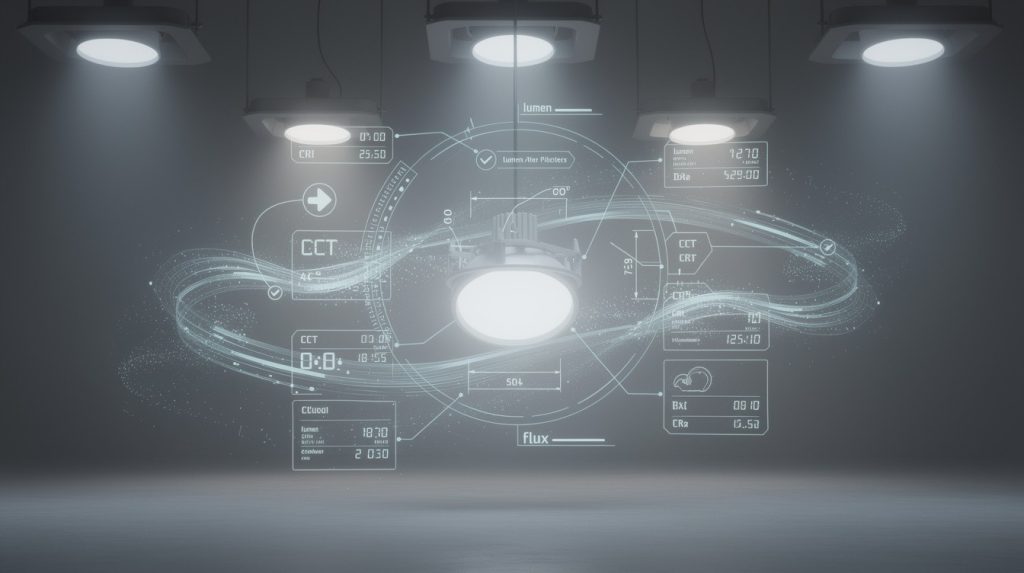
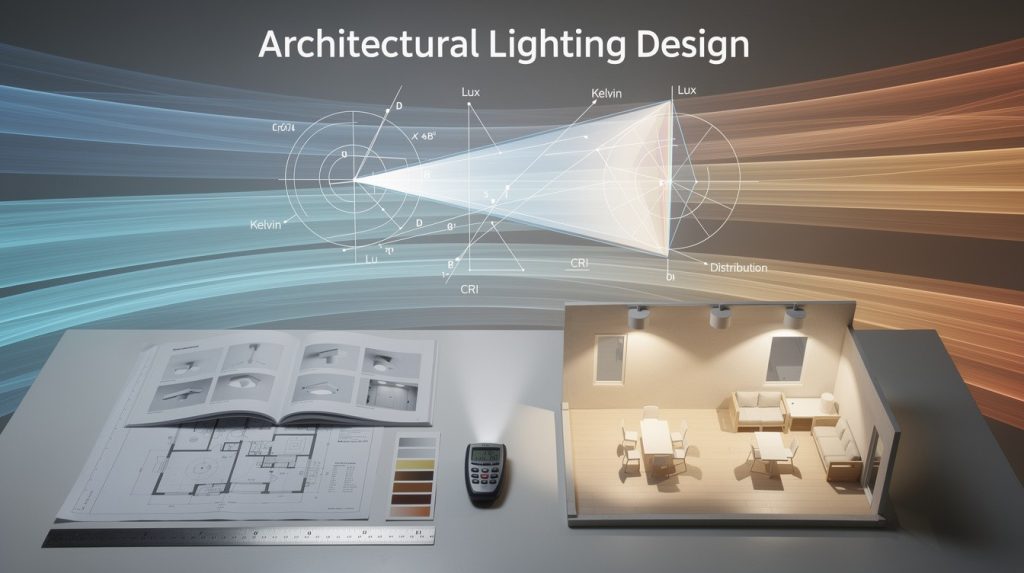
Professional photometric analysis requires calculating polar charts, BUG ratings, zonal lumens, and glare metrics-work that traditionally consumed hours of manual computation or expensive software processing time. Real-time browser platforms generate these metrics instantly as you build your layout. You adjust a fixture, and metrics update immediately showing illuminance distribution, uniformity ratios between 0.6 and 0.8 as recommended by IES guidelines, and glare performance across your space. This instant feedback transforms how you validate designs. A retail space requires different photometric priorities than a warehouse-accent lighting demands precise beam control and glare management, while warehouse layouts prioritize uniform coverage and energy efficiency. When metrics appear instantly, you make fixture selections based on actual performance data rather than assumptions. Teams report catching compliance violations during design rather than after installation, where corrections cost thousands in material rework and labor. The ability to see foot-candle readings, color rendering index, and lumen depreciation projections in real time means you design with confidence and present clients with documented proof that your layout meets codes and performance targets.
Final Thoughts
Photometric design no longer requires weeks of manual calculations, expensive software licenses, or teams large enough to justify enterprise tools. A fast photometric layouts tool eliminates the friction that has slowed lighting projects for years. Real-time illuminance analysis lets you validate designs in hours instead of days, catch spacing errors before installation, and present clients with professional reports that close deals faster.
The barrier to professional photometric design has always been cost and complexity. Desktop software demanded $500–$5,000 per seat, forcing smaller contractors and distributors to skip validation entirely and rely on rule-of-thumb spacing that guarantees uneven illumination and compliance headaches. Browser-based platforms change that equation completely. You access professional-grade photometric analysis instantly without licenses, installations, or IT overhead, and a three-person contractor team now competes on design quality rather than software budgets.
Community-verified luminaires libraries and instant photometric metrics remove the research time that once consumed hours per project. You find verified fixture data, drop it into your layout, and watch illuminance maps update in real time-no more hunting through manufacturer websites or discovering mid-project that your selected luminaire doesn’t meet uniformity ratios. Start designing smarter with OpenLumen, a free browser-based lighting platform that lets you create photometric layouts, run real-time illuminance analysis, and generate professional reports without expensive software or steep learning curves.
The information provided is for general educational purposes only and should not be considered professional engineering or lighting design advice. Always verify project requirements, local codes, and specifications with qualified professionals before making final decisions.